
Stargazing in the Dubai Desert: What You Can Really See
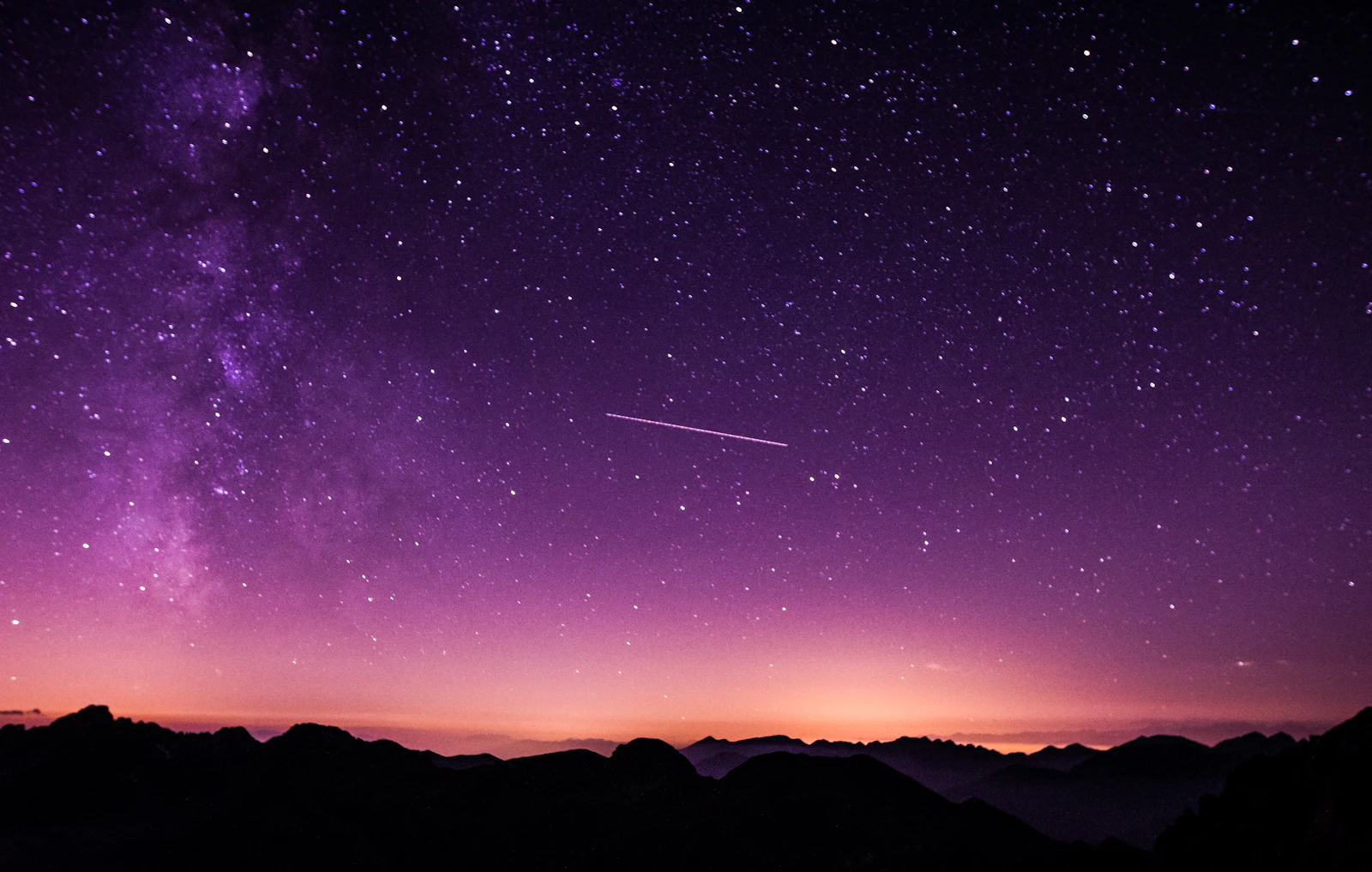
An hour from the city lights, the Dubai desert sky fills with stars. Here is what you can actually see, when to go, and how to make the most of a night under the desert sky.
Dubai is one of the brightest cities on Earth at night, but drive an hour into the desert and the sky changes completely. The city glow fades behind the dunes, the air dries out, and the stars come out in numbers you forget exist. On a clear, moonless night you can see the Milky Way arching over the sand with your own eyes.
This guide explains what you can actually see above the Dubai desert, when to go, and how to make the most of it.
What You Can See
On a dark night in the desert, the first thing you notice is how many stars there are. Thousands are visible, compared with a few dozen in the city. The Milky Way is the highlight: a pale, cloudy band of light stretching across the sky, made of countless distant stars. It is brightest in the summer months, but visible in the cooler months too.
You can also pick out the planets when they are up — Venus and Jupiter are bright enough to be mistaken for stars until you notice they do not twinkle. Orion is the easiest constellation to find in winter, with its three-star belt in a straight line. In autumn and winter, look for the Pleiades, a small cluster that looks like a tiny dipper.
Shooting stars are common. On an ordinary night you will see a few per hour, and during a meteor shower — the Perseids in August and the Geminids in December are the best known — you can see dozens.
The Best Months
October to April is the best season for stargazing in the Dubai desert, for the same reason it is the best season for safaris: cooler air, lower humidity and clearer skies. The summer months are hazy, and the heat makes it uncomfortable to sit outside for long.
December and January have the longest nights, which means more hours of darkness. But any clear night from October to April can be excellent. Check the weather before you go — even a thin layer of cloud hides the Milky Way completely.
The Moon Matters More Than You Think
The moon is the biggest factor after the weather. A full moon is beautiful, but it washes out the faint stars and the Milky Way. The best stargazing happens around the new moon, when the sky is at its darkest. The week before and after the new moon is good too.
If you are planning an overnight safari mainly for the stars, check the moon phase before choosing your date. A new-moon weekend in December or January is the best combination of dark sky and cool weather.
Evening Safari or Overnight?
On an evening safari you get a short window of stars after the shows end, usually around 9 to 10 PM before the drive back. It is enough to see the Milky Way and the brightest constellations, but you are looking up between camp lights and the car park.
An overnight safari is much better for stargazing. Once the camp quiets down and the lights go off, the sky opens up. The best viewing is after midnight, when the air is coolest and the sky is darkest. If stars are the main reason you are going, the overnight option is worth it.

What to Bring
• A light jacket or shawl. Desert nights in winter can drop to 10 to 15 degrees, and you will feel it if you sit still for an hour. • A blanket or mat to lie on. Lying flat is the best way to watch the sky, and the sand gets cold. • A red torch, or your phone with the screen dimmed and a red filter. White light ruins your night vision for 20 minutes. • Water and a snack. There is nothing to buy once the camp is quiet.
Taking Photos of the Stars
You do not need a professional camera, but a phone on night mode can capture the Milky Way if the sky is dark enough. Use a small tripod or rest the phone on a bag — any movement blurs the stars. Turn off the flash, set the longest exposure your phone allows, and use a timer so touching the screen does not shake it.
For a camera, a wide-angle lens, a tripod, and a 15 to 25 second exposure at a high ISO is a good starting point. Take a few test shots and adjust from there.
Light Pollution: How Far Is Far Enough
Dubai's glow is visible on the horizon from most of the desert, but it does not ruin the sky overhead. The further you go from the city, the darker it gets. The conservation reserve and the deep dunes around Lahbab are noticeably darker than the camps near the city edge. Once you are looking straight up, the difference between a good night and a great night is the moon and the clouds, not the city.
Frequently Asked Questions
Q: Can you see the Milky Way from the Dubai desert? A: Yes, on a clear, moonless night. It looks like a pale cloudy band across the sky, and it is visible to the naked eye. Q: What is the best month for stargazing in Dubai? A: December and January have the longest, darkest nights. Any clear night from October to April can be good. Q: Is an overnight safari better for stargazing than an evening one? A: Yes. The best viewing is after midnight, once the camp lights are off. Evening safaris only give you a short window before the drive back. Q: Do I need a telescope? A: No. The Milky Way, planets and constellations are all visible to the naked eye. Binoculars help for star clusters, and a telescope is a bonus, not a requirement.
Bash Dubai is an independent guide. We don't sell tours or take bookings.
Keep reading: Overnight Desert Safari Dubai: What to Expect Under a Billion Stars — https://bashdubai.com/blog/overnight-desert-safari-dubai-complete-guide Keep reading: Dubai Desert Photography Tips: Sunset, Dunes and Stars — https://bashdubai.com/blog/dubai-desert-safari-photography-tips Keep reading: Best Time of Year for a Desert Safari in Dubai: Month-by-Month — https://bashdubai.com/blog/best-time-of-year-desert-safari-dubai